Program seeks to improve cardiac emergency responses
The Diocese of Austin and Austin Public Health are strengthening emergency preparedness through a collaborative initiative with the American Heart Association (AHA) aimed at improving response to cardiac emergencies.
The Diocese of Austin and Austin Public Health are strengthening emergency preparedness through a collaborative initiative with the American Heart Association (AHA) aimed at improving response to cardiac emergencies.
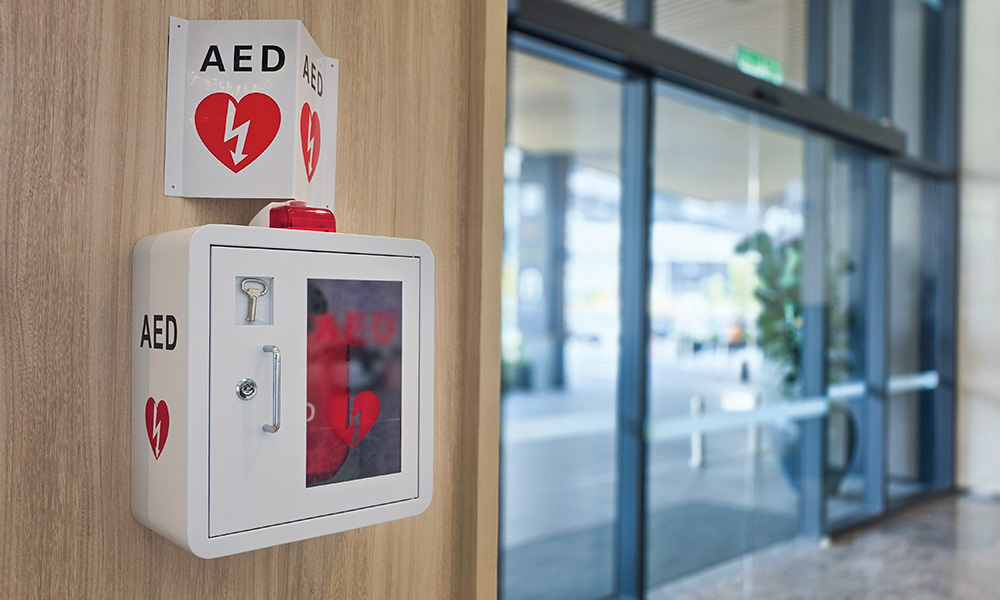
As part of the AHA’s Nation of Lifesavers program, six parishes in the diocese committed to implementing formal Cardiac Emergency Response Plans (CERPs). These plans equip churches with the tools, training and protocols needed to act quickly during cardiac emergencies, when every minute can mean the difference between life and death. More than 350,000 cardiac arrests occur outside of hospitals annually in the U.S., with survival rates only around 10%. Many bystanders hesitate to act, often waiting for EMS to arrive. However, Hands-Only CPR administered by a bystander can double or even triple the victim’s chances of survival. The diocese’s collaboration with the AHA addresses this gap by empowering parish staff and volunteers with CPR training and guidelines, access to automated external defibrillators (AEDs) and clear response procedures.
“Our first joint initiative with the American Heart Association has been a great blessing for the Diocese of Austin,” said Michael Scarpato, director of risk management and diocesan facilities with the Diocese of Austin. “The team supported our first push for Cardiac Emergency Response Plans at our parishes and Catholic schools, which fills a critical knowledge gap. Through this collaboration, we are caring for both the heart and soul of the community.”
The participating parishes were San José in Austin, St. Joseph in Mason, St. Joseph in Manor, St. Joseph in Bryan, St. Mary in Lampasas and St. Paul in Smithville. Each developed customized CERPs that include designated response teams, EMS coordination, AED placement and maintenance, communication protocols and regular training. Each parish also received a grant from the association to purchase an AED and related resources.
CERPs impact everyone who comes through a particular site, whether staff, visitors, or parishioners. For example, San José Parish serves approximately 10,000 community members every month — so there was a critical need for improved emergency preparedness. Through the program, San José installed an AED and formally adopted a comprehensive plan, dramatically increasing confidence among staff and leadership.
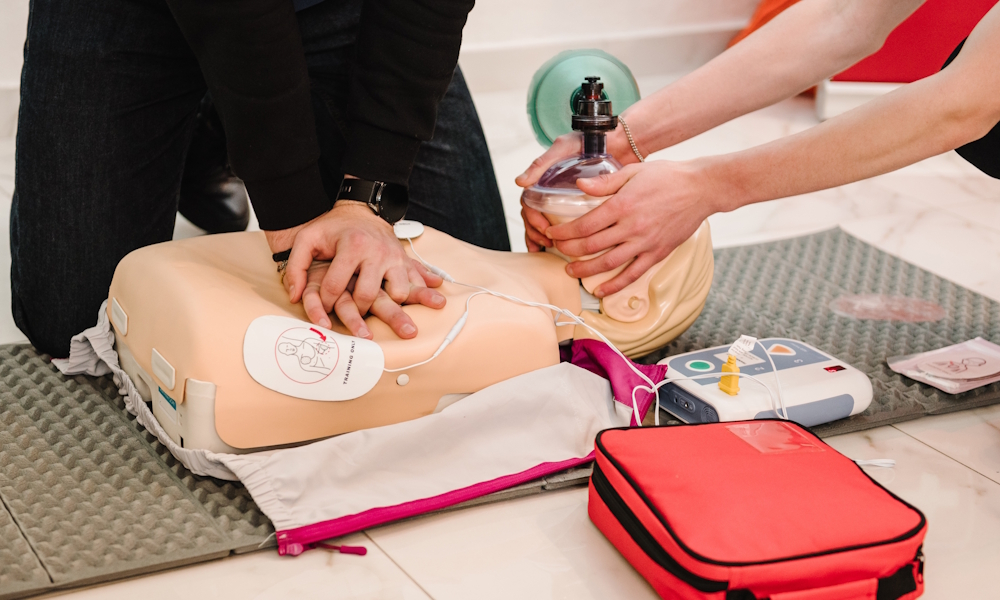
CERPs are critical for organizations to implement for public health, but anyone can save a life with CPR. Saving a life takes just two simple steps. First, call 9-1-1 if you see a person collapse, then push hard and fast in the center of the chest to the beat of a song that has 100-120 beats per minute, such as the Bee Gees’ “Stayin’ Alive.”
Learn more
about Hands-Only CPR at heart.org/en/nationoflifesavers. To learn more about response plans and community impact, contact Kelsey.Williams@heart.org.